Pruning for Healthier Growth: Why Late Winter to Early Spring Works Best in Houston
The right cut at the wrong time of year still stresses a tree. Here's why the calendar matters.
September 8, 2026 · 3 min read
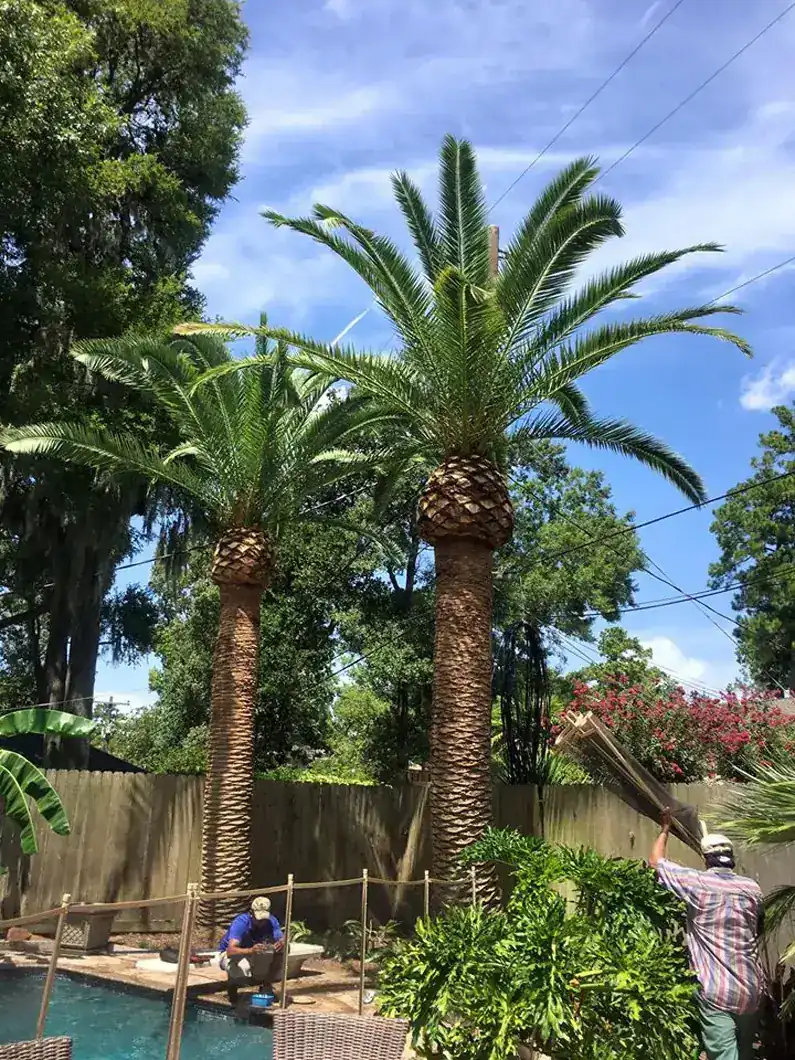
Homeowners often ask us the same question a different way: is there a wrong time to prune? The honest answer is yes, sometimes. Pruning removes living tissue, and a tree responds to that differently depending on where it is in its growth cycle. Cut at the right time and you get clean healing and strong new growth. Cut at the wrong time and you can trigger a weak flush of growth right before summer heat or storm season tests it. This is one of those areas where timing really does change the outcome, not just the aesthetics.
Why late winter to early spring is generally the window
Most trees in our area are still dormant or just beginning to wake up in late winter and early spring, which is exactly when pruning does the least damage and sets up the best response. The tree hasn't put its energy into a full flush of new leaves yet, so cuts made now heal into the coming growing season instead of interrupting it. It's also easier to see a tree's actual structure once it's thinned out, which means better decisions about which branches to remove and which to leave. That said, the ideal timing does shift depending on the species, so it's worth having someone look at what's actually growing in your yard rather than going strictly by the calendar.
What good pruning is actually doing
Pruning is not cosmetic. Removing deadwood stops decay from spreading into healthy wood. Thinning the canopy improves airflow and light penetration, which helps the tree fight off the fungal issues that thrive in our humidity. And shaping the structure early, especially on younger trees, sets them up to grow with strong branch angles instead of the narrow, weak crotches that tend to split apart later. Every cut should have a reason behind it, not just a general sense that the tree looks overgrown.
- Deadwood removed before decay can spread into healthy tissue
- Canopy thinned to improve airflow and reduce disease pressure
- Weak or crossing branches corrected while the tree is young enough to guide
- Structure shaped to grow into strong angles, not narrow splitting points
- Cuts made to heal into the coming growing season, not against it
What happens if you miss the window
Life happens, and not every tree gets pruned in its ideal window. That doesn't mean pruning has to wait a full year. Deadwood removal and hazard reduction are appropriate any time, since leaving a broken or dying branch in place is a bigger risk than pruning at a less-than-perfect time. What changes outside the ideal window is mostly the intensity of the work. A light touch, dealing with what's genuinely urgent, is usually the better call in the middle of summer than a heavy structural pruning that would be better saved for the following late winter.
Reading the tree, not just the calendar
Our team spends time diagnosing what's actually going on with a tree before making a single cut, including the diseases and pests that tend to show up in Houston's climate. A tree that's fighting off a pest problem or showing signs of stress might need a different approach than one that's simply overgrown. That kind of judgment only comes from doing this work on Houston trees specifically, not from a generic pruning schedule pulled from somewhere with a different climate entirely.
It's not one-size-fits-all across a whole yard
Most Houston properties have more than one type of tree, and they don't all sit on the same clock. A live oak, a crape myrtle, and a magnolia can each want something different in terms of when and how hard to prune, even growing a few feet apart in the same yard. That's part of why a single generic pruning date for the whole property rarely gives every tree its best result. Our crew looks at what's actually planted before setting a plan, rather than treating every tree on the lot the same way.
Getting your trees on the right schedule
If your trees haven't had a proper pruning in a while, or you're not sure whether now is the right window, Tree Care Professional has been doing this across Houston and the surrounding towns since 2001. Every estimate is free, and our crew will tell you honestly what your trees need and when, rather than pushing a service they don't. Getting the timing right now means a stronger, more storm-ready canopy later in the year.
Tree Care Professional — (281) 704-6828
Call (281) 704-6828More articles
Three Signs a Tree Needs Removing, Not Just Trimming
How to tell the difference between a tree that needs a haircut and one that needs to come down.
Why Regular Tree Trimming Matters in Houston's Humidity
Fast growth and thick canopies are great for shade, until wind, weight, and moisture turn them into a problem.